Pails for Scales Conservation
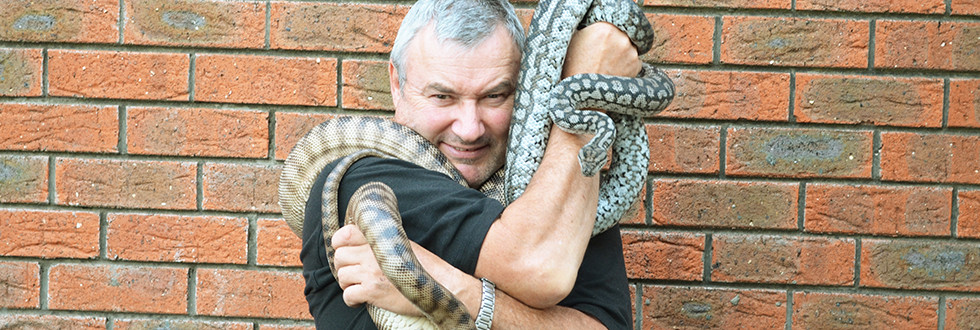
Roy has now closed Pails For Scales Uniquie Pets after 13 years , as he wanted to devote the rest of his 'fit years', to conservation work on both "THE BLOCK" Berringa Sanctuary, Victoria and the new Sanctuary "KRURR - RAK" Conservation Reserve, near Clear Lake, on the edge of Jipanger Nature Reserve, whilst also volunteering with the Australian Wildlife Conservancy.
As Roy started to relax out on the sanctuary ,him being a workaholic that he is decided to start his own conservation organisation , Pails For Scales Conservation , taking over another 3 properties This devotion has turned into much more, with Pails for Scales Conversation entailing five properties: Sunset Sanctuary (formally The Block) at Berringa, Krurr-rak Conservation Reserve at Clear Lake , Kerragandi Sanctuary West of Cobar, Antarcticus (Saltia) in the Flinders Range, and Wamsley Sanctuary at Blanchetown. With a total of 8500 acres.
Sunset Sanctuary is now cat and fox proof allowing endangered wildlife to roam free and safe
If you would love to support us - Support Us | Pails For Scales
Whats New
Sunset Sanctuary
* Birds on farm with Birdlife Australia ,new bird found a Stubble Quail
* Truck loads of rocks brought in to make more wildlife habitats
* The big fellow seen for the first time this year
* Planting more Banksias and Acacias
* Trailer loads of rocks brought in for wildlife habitats
* Krefts Glider survey
* Repairs to flooded animal hospital
Wamsley Sanctuary
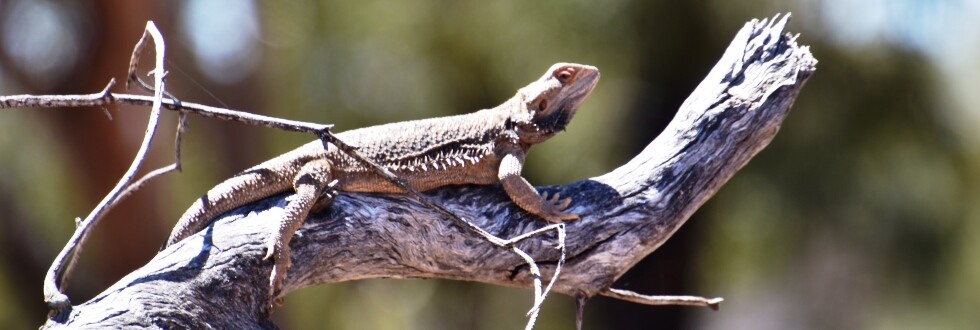
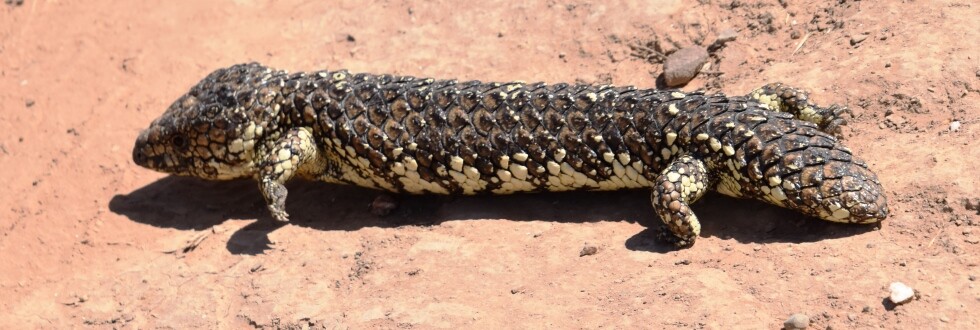
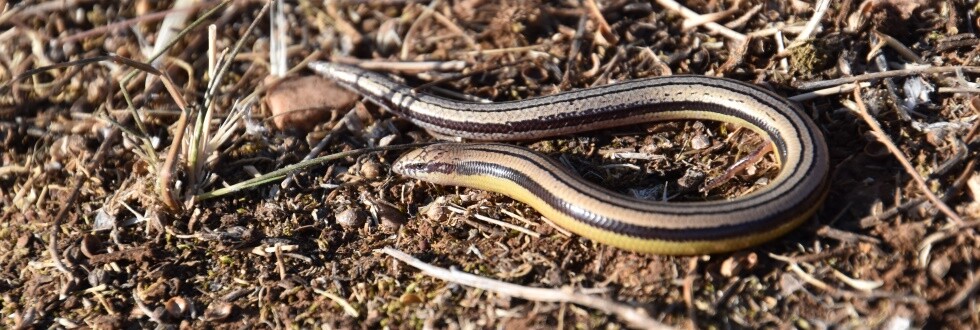
* Grant has been approved to clean up the sanctuary * 2 New reptiles found on recent survey
* Another Mallee Fowl seen
Krurr-rak Conservation Reserve
* Lots of Southern Red-tailed Black Cockatoos in Febuary *Spraying weeds ( Bridal Creeper , Thistles and Phalaris) * Clearing fallen trees of tracks * Carried out large surveys on Krurr-rak and 2 other sanctuaries near by
* Visits from lots of Southern Red-Tailed Black Cockatoos & Gang Gangs in November
Kerrigundi Sanctuary
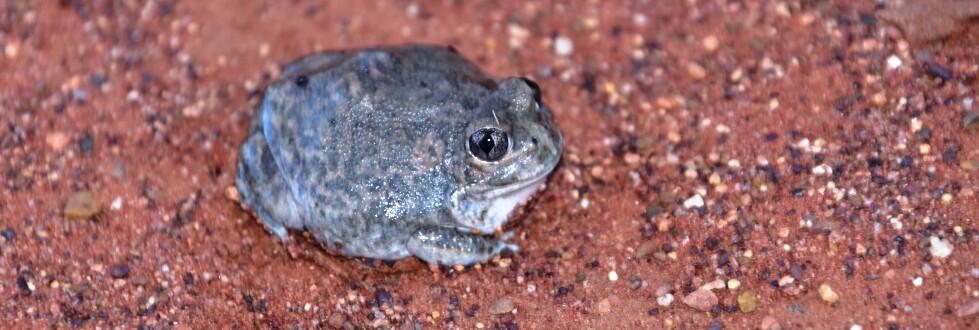
*Lots of feral animals removed from surrounding area * New frog found
* Had power repaired on the head office *Set up 2 reptile survey sites *Tile grid reptile survey
*Spraying weeds ( Bathurst Burr and other weeds)
* Another load of wire rounded up
*Clearing all trees and shrubs on the west boundary
Antarticus Sanctuaryntarcticus (Saltia) Sanctuary
* Reptile survey turning up another five new reptiles
* African Box Thorn starting to be cut down and sprayed
Big Desert
* Reptile survey with 2 new reptiles found
Moonlight Creek Reserve
*Spraying Spiny Rush *Spraying Thistles